A musty smell. A chalky white line along the bottom of a concrete wall. A rug that feels slightly damp after a spring storm. For many homeowners in Richmond Hill, these are the first quiet signs of a basement that is letting water in. Ignored, they can lead to warped flooring, mold behind drywall and repair bills that far exceed the original problem.
The good news is that most basement leaks have identifiable causes, and the right waterproofing system can address them effectively. This guide explains why Richmond Hill basements experience water intrusion, how to recognize early warning signs and how interior and exterior waterproofing solutions compare.
Homeowners experiencing recurring moisture problems can explore professional basement waterproofing services in Richmond Hill to identify the source of water intrusion and choose an appropriate solution.
The Soil Problem Under Richmond Hill
Much of Richmond Hill sits on clay-heavy soil. Unlike sandy soil, clay drains slowly. Instead of allowing rainwater and snowmelt to move away from the foundation quickly, it can hold moisture close to basement walls.
This trapped water creates hydrostatic pressure, which is the force of saturated soil pushing against foundation walls and beneath the basement floor slab. Concrete is porous, so under sustained pressure, moisture can find its way through cracks, tie holes and cold joints.
Local homes face several environmental challenges throughout the year:
-
Spring thaw: Snow melts over a relatively short period, saturating the surrounding ground and increasing groundwater pressure.
-
Heavy summer storms: Intense rainfall can overwhelm eavestroughs, downspouts and drainage systems.
-
Freeze-thaw cycles: Water entering small foundation cracks freezes, expands and gradually widens existing openings.
-
Aging infrastructure: Older homes near Yonge Street may still have original clay or early plastic weeping tile systems.
-
Poor lot grading: Settling soil in newer subdivisions near Bayview can gradually direct surface water toward the foundation.
A properly installed interior weeping tile system helps collect groundwater and direct it toward a sump pump, reducing the risk of water accumulating inside the basement.
Where the Water Actually Gets In
J.M Waterproofing identifies several common causes of basement water intrusion in Richmond Hill homes.
The most frequent problems include:
-
Clay soil: Poor drainage allows groundwater to accumulate around foundation walls.
-
Foundation cracks: Small cracks in concrete walls or floors provide pathways for moisture.
-
Poor lot grading: Ground that slopes toward the house directs rainwater toward the foundation.
-
Failed weeping tile: Old, clogged or improperly installed drainage systems cannot remove groundwater effectively.
-
Window well problems: Poor drainage allows rainwater and melting snow to collect around basement windows.
Often, a basement leak has more than one cause. For example, a hairline foundation crack may remain dry for years until a clogged weeping tile system increases groundwater pressure outside the wall.
This is why identifying the source of moisture is important before choosing a waterproofing method. Sealing a visible crack without addressing surrounding drainage problems may only provide temporary relief.
Seven Warning Signs of a Wet Basement
Basement water damage rarely begins with a major flood. In many homes, moisture problems develop gradually.
Watch for these seven warning signs:
-
Musty odours: A persistent damp smell can indicate moisture trapped behind walls, flooring or stored belongings.
-
Damp wall patches: Discoloured or wet areas may indicate water entering through the foundation.
-
Efflorescence: White, chalky deposits appear when moisture carries dissolved minerals through concrete.
-
Bubbling paint: Peeling paint, soft drywall and crumbling finishes can indicate prolonged moisture exposure.
-
Mold growth: Mold can develop in damp corners, behind furniture and along basement walls.
-
Foundation cracks: New cracks or existing cracks that appear to be widening require professional assessment.
-
Standing water: Puddles or wet spots after rainfall may indicate foundation leaks or drainage problems.
Even one or two of these signs justify a professional inspection. Moisture trapped behind finished basement walls can create conditions that support mold growth and affect indoor air quality.
Interior vs Exterior Waterproofing
There are two main approaches to basement waterproofing: interior systems and exterior foundation waterproofing.
Both methods help protect homes against water damage, but they work differently.
| Factor | Interior waterproofing | Exterior waterproofing |
|---|---|---|
| How it works | An interior drainage channel collects water near the wall base and directs it to a sump pump | Excavation allows a waterproof membrane and drainage system to be installed outside the foundation |
| Main purpose | Manages water entering the foundation | Prevents water from reaching the foundation wall |
| Typical timeline | Often one to two days, depending on project size | Usually takes longer because excavation is required |
| Disruption | Primarily affects the basement interior | Can affect landscaping and outdoor areas |
| Best suited for | Homes with limited exterior access or suitable interior drainage requirements | Homes with exterior foundation problems or failed exterior drainage |
Interior Waterproofing: Managing Water Inside the Basement
Interior waterproofing manages groundwater after it enters or reaches the foundation.
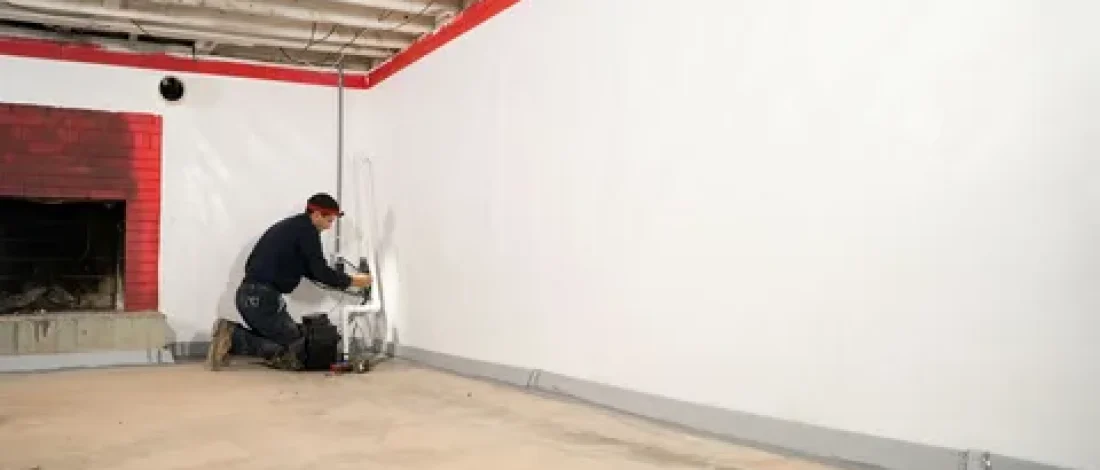
A drainage channel is installed along the inside base of basement walls. It collects water and directs it toward a sump pit, where a sump pump moves the water outside the property.
This system can help prevent water from spreading across basement floors and damaging finished spaces.
Homeowners should also consider a battery backup sump pump to maintain protection during power outages.
Learn more about interior waterproofing systems and how they help manage water entering basement foundations.
Exterior Waterproofing: Preventing Water at the Source
Exterior waterproofing focuses on stopping water before it reaches the foundation walls.
The process generally involves excavating the soil around the affected foundation area, cleaning the exposed concrete, repairing cracks where necessary and applying a waterproof membrane.
A new exterior drainage system, including weeping tile where required, helps collect groundwater and direct it away from the foundation.
For homeowners dealing with recurring foundation leaks, exterior foundation waterproofing provides an approach that prevents water from reaching the foundation walls.
Exterior waterproofing can be particularly suitable for older homes with deteriorating foundation protection or failed exterior drainage systems.
Supporting Repairs That Complete the Waterproofing System
Waterproofing works best as part of a complete moisture-management strategy rather than as a single repair.
Depending on the property’s condition, additional improvements may be necessary.
Sump Pump Installation
A sump pump collects groundwater and moves it away from the basement. It is an important part of many interior drainage systems.
A battery backup can provide additional protection when severe storms cause electrical outages.
Foundation Crack Repair
Foundation cracks should be assessed to determine whether they are allowing water inside or indicate a structural concern.
Professional crack repair fills the affected area through the appropriate repair method rather than simply covering the visible surface.
Window Well Upgrades
Window wells can collect rainwater and snowmelt around basement windows.
Improving drainage, clearing debris and installing suitable window well covers can reduce water accumulation.
Grading and Downspouts
The ground around your home should slope away from the foundation.
Properly positioned downspouts and extensions help direct roof runoff away from basement walls, reducing the amount of water entering the surrounding soil.
What the Basement Waterproofing Process Looks Like
A professional waterproofing contractor should explain the problem, recommended solution, project timeline and expected costs before starting work.
J.M Waterproofing follows a five-step process designed to make basement waterproofing straightforward for homeowners.
-
Free inspection: A contractor examines the basement to identify visible moisture, foundation cracks and possible drainage problems.
-
Clear plan: The homeowner receives an explanation of the recommended waterproofing method and an upfront estimate.
-
The work: The crew completes the agreed repairs and installation while taking care to protect the property.
-
Cleanup: The basement and affected outdoor areas are cleaned after the work is completed.
-
Warranty: The completed project is backed by a warranty according to the agreed terms.
A clear process helps homeowners understand what is being repaired and why the recommended system is appropriate for their property.
Questions Homeowners Should Ask Before Hiring a Waterproofing Contractor
Choosing the right waterproofing company is important because an incorrect diagnosis can lead to recurring leaks and unnecessary expenses.
Before hiring a contractor, ask:
-
What is causing the water intrusion, and how was the cause identified?
-
Is interior waterproofing, exterior waterproofing or a combination necessary?
-
Will the existing weeping tile system need replacement?
-
What does the warranty cover, and how long does it last?
-
How will landscaping and finished basement areas be protected?
-
Is the estimate fixed, or could additional costs arise during the project?
-
Will the contractor explain the drainage system and maintenance requirements?
A reliable contractor should answer these questions clearly and provide important project details in writing.
The Cost of Waiting to Waterproof Your Basement
It can be tempting to postpone waterproofing until another major storm causes visible damage. However, repeated moisture exposure can gradually affect several parts of your home.
The consequences may include:
-
Deteriorating drywall and flooring.
-
Mold growth in concealed spaces.
-
Damage to stored belongings and furniture.
-
Increased humidity and persistent basement odours.
-
Deterioration of basement finishes.
-
More expensive renovation and restoration work.
Addressing a small foundation leak early may prevent a much larger repair project later.
Insurance coverage for basement water damage varies by policy, so homeowners should review their coverage and understand any exclusions. Keeping records of inspections, maintenance and completed waterproofing work can also be useful when managing property-related issues.
Final Word: Protect Your Richmond Hill Home With Professional Waterproofing
Richmond Hill’s clay-heavy soil, seasonal rainfall, snowmelt and changing temperatures can create challenging conditions for basement foundations.
However, recurring water intrusion does not have to become a permanent problem. The right diagnosis, effective drainage and properly installed waterproofing can help protect your foundation and create a cleaner, drier and more usable basement.
Whether your home has foundation cracks, damp basement walls, failed weeping tile or recurring water leaks, professional assessment is the first step toward finding the right solution.
Homeowners in Richmond Hill, Newmarket, Aurora,service Markham and across the Greater Toronto Area can book a free basement inspection with J.M Waterproofing.
-
Phone: (416) 899-9593
-
Email: Jmwaterproofingleaks@gmail.com
-
Website: Contact J.M Waterproofing
Related services include interior waterproofing, exterior foundation waterproofing and crawl space waterproofing.
Frequently Asked Questions
Why do basements leak in Richmond Hill?
Basements in Richmond Hill can leak because of clay-heavy soil, hydrostatic pressure, foundation cracks, poor lot grading and damaged or clogged weeping tile systems. Heavy rainfall and spring snowmelt can increase groundwater pressure around foundations.
Is interior or exterior basement waterproofing better?
Both methods have different purposes. Interior waterproofing collects and redirects water that reaches the foundation, while exterior waterproofing prevents water from penetrating the foundation walls. The appropriate solution depends on the source of the leak, foundation condition and property layout.
How do I know if my basement needs waterproofing?
Common warning signs include musty smells, damp walls, white mineral deposits, peeling paint, mold growth, foundation cracks and water puddles after rainfall. A professional inspection can identify the underlying cause.
Can foundation cracks cause basement leaks?
Yes. Foundation cracks can create openings that allow groundwater to enter the basement. Professional crack repair can help seal these openings, although surrounding drainage problems may also need attention.
What is the purpose of weeping tile?
Weeping tile is a drainage system installed around or beneath a foundation. It collects groundwater and directs it away from the foundation, helping reduce water pressure around basement walls and floors.
How much does basement waterproofing cost in Richmond Hill?
The cost depends on the waterproofing method, foundation condition, project size, excavation requirements and drainage work. An on-site inspection is the best way to receive an accurate estimate.
Can basement waterproofing prevent mold?
Proper waterproofing helps reduce moisture entering the basement, which can lower the conditions that support mold growth. However, existing mold may require separate professional assessment and remediation.